 Shop in Canada
 Shop in UK


[vc_separator color=”custom” align=”align_left” border_width=”2″ el_width=”20″ accent_color=”#70c16e”]
Inflammation is the response of living tissue to damage. The acute inflammatory response has 3 main functions:
- The affected area is occupied by a transient material called the acute inflammatory exudate. The exudate carries proteins, fluid and cells from local blood vessels into the damaged area to mediate local defenses
- If an infective causative agent (e.g. bacteria) is present in the damaged area, it can be destroyed and eliminated by components of the exudate.
- The damaged tissue can be broken down and partially liquefied, and the debris removed from the site of damage.
Causes of Inflammation
Causes of inflammation include the following:
- microbial infections – this is the most common from bacteria and virus
- Hypersensitivity or Allergic Reactions – arising from an altered state of immunological responsiveness that causes an inappropriate or excessive immune reaction damaging the tissues
- Physical agents – arising from physical trauma such as burns or frost bites
- Tissue Necrosis – due lack of oxygen or nutrients resulting from inadequate blood flow


Signs of Inflammation
Silent Inflammation
The most deadly type of inflammation is where there are no symptoms or physical signs. This is described by Dr Barry Sears as Silent Inflammation. He called it the Silent Killer in his book “The Anti-Inflammation Zone”. Such Inflammation causes aging, heart attack, stroke, cancer and many other health threats.

Shop Now
-
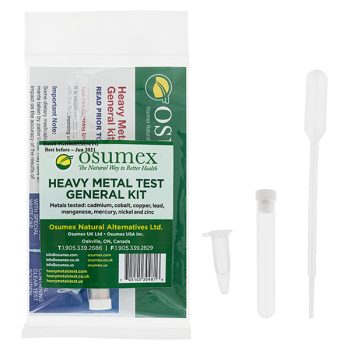
Heavy Metals Test General Kit $20.00
The Heavy Metals Test General Kit is designed for the home user to self-test first morning urine or saliva for the presence of 8 toxic heavy metals: cadmium, cobalt, copper, lead, manganese, mercury, nickel, zinc. It is simple to use with clear instructions providing a colour result within 20 minutes.
-
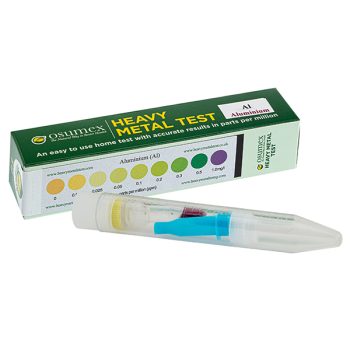
Heavy Metals Test Aluminium Kit $35.00
The Heavy Metals Test Aluminium Kit is a kit that can test for the presence of Aluminium ions in any reasonably clear solution. It is a self-test which can be done in the comfort of the home and it gives results in minutes. The colour result of the solution after the test can be measured against a calibrated colour strip provided on the box containing the kit. This tells the user the level of contamination of Aluminium in the specimen solution tested.
-
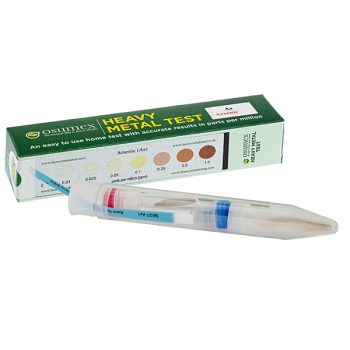
Heavy Metals Test Arsenic Kit $35.00
The Heavy Metals Test Arsenic Kit is a kit that can test for the presence of Arsenic ions in any reasonably clear solution. It is a self-test which can be done in the comfort of the home and it gives results in minutes. The colour result of the solution after the test can be measured against a calibrated colour strip provided on the box containing the kit. This tells the user the level of contamination of Arsenic in the specimen solution tested.
-
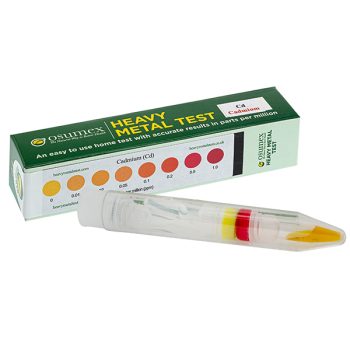
Heavy Metals Test Cadmium Kit $35.00
The Heavy Metals Test Cadmium Kit is a kit that can test for the presence of Cadmium ions in any reasonably clear solution. It is a self-test which can be done in the comfort of the home and it gives results in minutes. The colour result of the solution after the test can be measured against a calibrated colour strip provided on the box containing the kit. This tells the user the level of contamination of Cadmium in the specimen solution tested.

Health Care Professionals
Register as a Health Care Practitioner today and experience the benefits of professional Osumex account including Osumex Natural Health Products and Urine (non-invasive) Testing kits at special practitioner’s prices.